Integrating AI into Your Web Apps: A Strategic Guide for Businesses Embracing Digital Innovation

In the rapidly evolving digital landscape, businesses are constantly seeking innovative ways to enhance their operations and stay ahead of the competition. Integrating Artificial Intelligence (AI) into web applications presents a unique opportunity for companies to optimize processes, improve customer experiences, and unlock new growth avenues. This strategic guide offers a comprehensive overview of how businesses can embrace AI to transform their digital services, drawing on the success stories and lessons learned from those who have navigated this journey.
Key Takeaways
- Identify specific AI needs tailored to your business goals to ensure a targeted and effective integration.
- Select AI tools that prioritize user experience to facilitate smooth adoption and maximize engagement.
- Adopt a phased approach to AI implementation, allowing for iterative learning and scalability.
- Leverage AI to gain a competitive edge by analyzing success stories and identifying relevant use cases for your business.
- Address ethical and legal considerations upfront to build trust and ensure compliance throughout your AI journey.
Strategic Considerations for AI Integration in Web Applications

Identifying Business-Specific AI Needs
In the realm of AI and Web Development Synergies, it's crucial for businesses to pinpoint their unique AI needs. This involves a deep dive into the current web infrastructure and identifying areas where AI can bring about transformative changes. AI Applications in Web Infrastructure are not a one-size-fits-all solution; they must be tailored to address specific challenges and objectives.
Bridging AI with Web Development requires a strategic approach, where the potential of AI is aligned with business goals to create a seamless integration.
For instance, consider the following aspects when identifying your AI needs:
- The nature of your web applications and the user experience they deliver.
- The data you collect and how AI can leverage it to enhance decision-making.
- The scalability of AI solutions to grow with your business demands.
Remember, the AI revolutionizes business intelligence, enhancing decision-making, efficiency, and innovation. Integration with strategic processes and responsible use are key for success. As you embark on this journey, ensure that your approach is methodical and reflective of your business's ethos and aspirations.
Selecting User-Friendly AI Tools
In the quest for Integrating AI with Web Platforms, the selection of user-friendly AI tools is paramount. These tools are the bedrock of AI-Enhanced Web Services, ensuring that the transition is seamless for your team and that your Web Applications Powered by AI deliver on their promise.
Consider the following when selecting AI tools:
- Ease of integration with existing systems
- User-friendly interfaces that facilitate quick adoption
- Scalability to grow with your business needs
- Support and training resources provided by the tool vendor
By prioritizing these factors, you ensure a smoother transition to an AI-Driven Web User Experience.
Remember, Implementing AI in Web Solutions is not just about the technology; it's about empowering your team with AI Insights for Web Professionals. Training and support are crucial in this regard. Web Innovation through AI Integration is a journey that involves your entire team, and selecting the right tools is a critical step in that journey.
Enhancing Web Features with AI goes beyond mere functionality; it's about creating an engaging and interactive experience for users. AI Technologies in Web Design and AI for Advanced Web Interactivity are transforming the landscape, making Web Optimization with AI Tools a strategic imperative.
In conclusion, the strategic selection of AI tools is essential for AI Strategies for Web Platforms. Leverage AI-driven analytics for data-driven growth. Promote AI literacy, develop scalable infrastructure, personalize customer experiences, make strategic decisions, and address implementation challenges. The right tools will not only streamline operations but also unlock new avenues for innovation and growth.
Planning for Gradual AI Implementation
The journey to AI integration is not a sprint but a marathon. Businesses must approach AI adoption with a strategic, phased plan to ensure a smooth transition and alignment with long-term goals. Begin by selecting a single, high-impact use case where AI can deliver immediate value. This focused approach allows for a controlled environment to monitor performance, gather feedback, and make necessary adjustments before expanding AI's role across your operations.
- Phase 1: Identify a pilot project.
- Phase 2: Deploy AI in a limited scope.
- Phase 3: Evaluate and refine.
- Phase 4: Scale AI integration.
Remember, the goal is not to overhaul your systems overnight but to build a robust AI foundation that grows with your business needs. Incorporate privacy-preserving techniques early and document each step meticulously to facilitate knowledge transfer within your team.
As you embark on this transformative journey, consider the resources at your disposal. Budget constraints need not be a barrier; explore free or low-cost AI tools that offer scalability. By doing so, you can leverage the power of AI to not just compete, but to set a new standard in your industry. Are you ready to take the first step? Let's explore how AI can redefine the way you do business.
The Transformative Impact of AI on Small Business Operations

Enhancing Efficiency and Productivity
In the digital age, operational efficiency is the cornerstone of a thriving business. It's not just about doing more with less; it's about outsmarting the competition by making smarter, data-driven decisions. To this end, AI serves as a catalyst, transforming raw data into actionable insights that streamline workflows and eliminate waste.
By integrating AI into your web applications, you can automate routine tasks, reducing errors and freeing up your team to focus on more strategic initiatives. This not only boosts productivity but also enhances job satisfaction by removing monotonous tasks from the daily grind.
Consider the following benefits of AI-driven efficiency:
- Tracking KPIs: Identify areas for improvement and make informed decisions.
- Automating Tasks: Save time and improve overall productivity.
- Streamlining Workflows: Reduce delays and enhance collaboration.
- Eliminating Waste: Achieve cost savings and heightened efficiency.
Remember, the journey to enhanced efficiency is continuous. Stay agile and be ready to adapt to new opportunities that AI presents. Embrace the transformative power of AI and watch as your business operations evolve to meet the demands of a rapidly changing market. Don't let your business fall behind—integrate AI today and secure your place at the forefront of innovation.
Improving Customer Interactions
In the digital age, customer interactions are the cornerstone of business success. AI has the power to transform these interactions from mundane exchanges to dynamic, personalized experiences. By integrating AI into your web applications, you can ensure that every customer interaction is an opportunity to impress, engage, and retain.
AI-driven tools like chatbots and intelligent recommendation systems not only provide immediate responses to customer inquiries but also learn from each interaction, continuously improving the quality of communication.
Consider the following benefits that AI can bring to customer interactions:
- Personalization: Tailoring experiences to individual preferences and behaviors.
- Availability: Offering 24/7 customer service with chatbots and virtual assistants.
- Efficiency: Streamlining processes to reduce wait times and improve resolution rates.
- Insights: Gaining deeper understanding of customer needs through data analysis.
These enhancements not only elevate the customer experience but also contribute to a stronger brand reputation and increased customer loyalty. As you contemplate the integration of AI into your web applications, remember that the goal is to create a seamless and satisfying customer journey. Embrace AI as a strategic asset, and watch as your business reaps the rewards of enhanced customer interactions. Don't miss out on the opportunity to revolutionize your customer engagement—act now to integrate AI into your web applications.
Unlocking New Avenues for Growth
In the digital age, AI serves as a catalyst for growth, offering businesses the chance to innovate and expand in ways previously unimaginable. By integrating AI into your web applications, you open the door to a myriad of growth opportunities, from enhanced customer engagement to the creation of new revenue streams.
Consider the following areas where AI can significantly impact your business growth:
- Customer Engagement: With AI, you can see increases in customer satisfaction scores, retention rates, and digital interaction frequency.
- Operational Efficiency: AI can lead to improvements in process speed, cost savings, and resource utilization.
- Revenue Streams: Embrace AI to grow digital sales channels and tap into new market opportunities.
- Innovation Rate: AI can boost the number of new products or services launched and their success in the market.
Embracing AI is not just about adopting new technologies; it's about reshaping your business to be more agile, innovative, and customer-centric. It's about ensuring that every strategic move is data-driven and every customer interaction is personalized.
By leveraging AI tools, data insights, and fostering innovation, businesses can unlock their full growth potential. AI empowers organizations to stay ahead of the curve, adapt to changing market dynamics, and seize new opportunities. Visit the [Bles Software website](#) for more insights on leveraging AI for scalable growth and innovation across different business stages.
Navigating the AI Implementation Journey: A Step-by-Step Guide

Evaluating AI Solutions for Your Business
Embarking on the AI journey necessitates a strategic approach to evaluating potential solutions. Your choice of AI tools and technologies should align with your business goals and capabilities. It's essential to consider not only the technical aspects but also how these solutions will integrate into your existing workflows and systems.
- Assess the readiness of your business for AI integration
- Define clear objectives for what you hope to achieve
- Ensure there is a collaborative effort across departments
- Plan for continuous monitoring and optimization
The right AI solution can propel your business forward, enhancing efficiency and providing insights that drive innovation.
Remember, data privacy and security are paramount when dealing with AI analytics. As you sift through the myriad of options, keep in mind that the success of AI in your business processes hinges on these critical factors. Begin your journey to a smarter future today, and stay competitive by making informed decisions in your AI adoption.
Preparing Data for AI Integration
The foundation of any successful AI implementation is the quality and readiness of your data. Data preparation is a critical step that can determine the effectiveness of your AI solutions. To ensure your data is primed for AI, consider the following steps:
- Assess the quality of your existing data, identifying any gaps or inconsistencies.
- Cleanse and normalize data to create a reliable dataset for AI processing.
- Establish a data governance framework to maintain data integrity over time.
Incorporate privacy-preserving techniques early, including encryption and anonymization, adhering to privacy regulations. Thoroughly document the AI integration process, model architecture, and platform-specific considerations to facilitate knowledge transfer within the development team.
Embrace AI analytics for business success. Overcome challenges in data integration. Professional API services available for seamless integration at $175.
Remember, the journey to AI excellence begins with a solid data strategy. By meticulously planning and executing these steps, you lay the groundwork for an AI-powered future that can propel your business to new heights.
Building an In-House AI Team
Assembling an in-house AI team is a pivotal step in harnessing the AI revolution in your business. It's not just about hiring the right talent; it's about cultivating an ecosystem where AI literacy thrives and decision-making becomes agile and data-driven. This is where the true competitive edge lies, as AI can revolutionize areas such as manufacturing with predictive maintenance and drive growth through informed, real-time decisions.
To ensure a successful AI team build-out, consider the following:
- Staff Training: Commit to upskilling your team. Seek out training resources or workshops provided by AI tool vendors.
- Integration with Existing Systems: Opt for AI solutions that mesh seamlessly with your current software ecosystem.
By focusing on these strategic areas, you're not just building a team; you're embedding AI into the fabric of your business operations.
Remember, the journey doesn't end with deployment. Ongoing education, adaptation to emerging AI trends, and continuous improvement of your AI infrastructure are essential to maintaining relevance and competitiveness. If your organization lacks in-house AI expertise, consider partnering with technology specialists or hiring AI professionals to fill the gap. The goal is to create a robust, secure, and scalable AI environment that propels your business forward.
Leveraging AI for Competitive Advantage: Success Stories and Use Cases

Case Studies of AI-Driven Business Transformation
The journey of integrating AI into small business operations is illuminated by the success stories that have emerged from various sectors. These narratives not only inspire but also provide a blueprint for others to follow. They highlight the critical role of AI in revolutionizing business models, optimizing customer service, and creating new market opportunities.
- A retail company leveraged AI for inventory management, resulting in a 20% reduction in stockouts and a 15% decrease in excess inventory.
- A healthcare provider implemented AI-driven diagnostic tools, which improved patient outcomes by 30% and reduced wait times by 25%.
- An e-commerce platform used AI for personalized recommendations, boosting sales by 35% and customer retention by 50%.
Embracing AI and identifying the right use cases can be a game-changer for businesses. From fraud detection to virtual assistance and personalized marketing campaigns, AI has the potential to streamline operations and increase revenue.
As we delve into these transformative tales, it becomes clear that the strategic selection of AI tools, coupled with a commitment to training and phased integration, is paramount. Let these success stories guide your path to AI integration, and consider how your business can harness the power of AI to not only compete but to lead in your industry. The time to act is now—transform your operations and seize the opportunities that AI offers.
High-Impact AI Use Cases for Small Businesses
The integration of AI into small business ecosystems is not just a leap into the future; it's a strategic move that levels the playing field with larger competitors. AI empowers small businesses to harness data-driven insights, enabling them to make informed decisions that drive growth and innovation. Here are some high-impact use cases:
- Personalized Marketing: Tailoring marketing campaigns to individual customer preferences, leading to higher engagement and conversion rates.
- Customer Service Chatbots: Providing 24/7 customer support with AI chatbots, improving response times and customer satisfaction.
- Financial Forecasting: Utilizing AI for accurate financial predictions, aiding in strategic planning and resource allocation.
By starting with these accessible applications, small businesses can experience the transformative effects of AI without the need for large investments or deep technical expertise.
As small businesses adopt these AI tools, they not only streamline operations but also unlock insights and efficiencies once exclusive to larger entities. The journey towards AI integration is a progressive one, where each step builds upon the last, fostering a culture of innovation and continuous improvement. To embark on this transformative journey, it's crucial to identify the right AI solutions that align with your business goals and customer needs. Embrace AI, and watch your small business soar to new heights. Don't miss out on the opportunity to revolutionize your operations—take the first step today.
Staying Ahead of the Competition with AI
In the relentless pursuit of market leadership, AI serves as a pivotal tool for innovation and differentiation. Small businesses, in particular, can harness AI to level the playing field, offering unique services that set them apart from larger corporations. The strategic deployment of AI can transform operations, enabling smaller enterprises to compete effectively and secure a competitive edge.
- Identify the AI services that align with your business goals, such as chatbot development or data analysis.
- Select AI solutions that offer comprehensive support, education, and community engagement.
- Review client testimonials to gauge the effectiveness of potential AI partnerships.
By integrating AI into your business strategy, you can tap into new growth opportunities and enhance decision-making. AI's capacity to analyze extensive data sets allows for deeper insights and more strategic actions. Remember, the journey to AI adoption is continuous, with evolving tools and technologies presenting fresh avenues for innovation.
Embracing AI and identifying the right use cases can be a game-changer for businesses. From fraud detection to virtual assistance and personalized marketing campaigns, AI has the potential to streamline operations and increase revenue.
To ensure your business remains at the forefront, consider partnering with an AI developer that offers a range of services and has a proven track record of success. Explore business solutions and read client reviews to make an informed decision. The time to act is now—integrate AI into your web apps and watch your business soar.
Ethical and Legal Considerations in AI Adoption
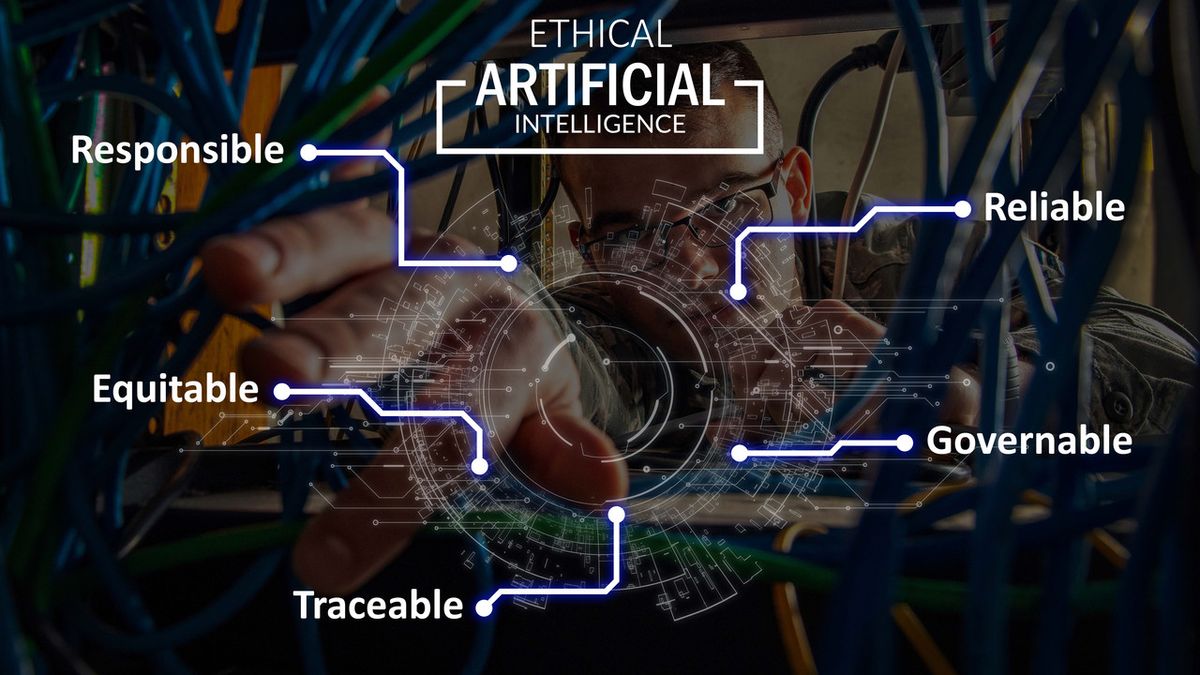
Understanding the Ethical Implications of AI
As we delve into the realm of artificial intelligence, it's imperative to acknowledge the ethical landscape that underpins its application. Ethical AI is not just a regulatory checkbox but a cornerstone of sustainable and trustworthy technology. To this end, businesses must consider:
- Transparency: Ensuring AI systems are understandable and decisions can be explained.
- Data Privacy: Upholding stringent data management and obtaining informed consent.
- Ethical Guidelines: Crafting and adhering to ethical frameworks that guide AI use.
By addressing these ethical considerations, businesses position themselves as responsible stewards of technology, fostering trust and long-term loyalty among users.
In addition to these pillars, ongoing employee training and awareness programs are essential. They cultivate a culture of accountability, ensuring that every team member is aligned with the company's ethical stance. Remember, integrating AI into your business is not just about harnessing its power—it's about doing so with a clear conscience and a commitment to the greater good. Explore our Enterprise Consultation package for a comprehensive project plan and price estimation, and join the ranks of those who've experienced the transformative impact of our AI lectures and projects.
Navigating Legal Frameworks and Compliance
As businesses integrate AI into their web applications, navigating the complex landscape of legal frameworks and compliance becomes a pivotal task. The integration of AI and BI tools must be aligned with ethical standards and adhere to legal regulations to protect data privacy and comply with industry-specific guidelines.
Implementing risk management strategies and establishing robust data management and governance practices are not just about compliance; they are about building the foundation of trust with your stakeholders.
Here's a succinct table that encapsulates the key components of risk management, ethical considerations, and data management:
| Risk Management | Ethical Considerations | Data Management |
|---|---|---|
| Identifying potential risks | Following ethical guidelines | Ensuring data accuracy |
| Assessing and prioritizing risks | Respecting data privacy | Securing data assets |
| Mitigating risks | Providing transparency | Complying with regulations |
In addition to establishing policies, investing in ongoing training and awareness programs for employees is crucial. This fosters a culture of accountability and responsible AI and BI technology use throughout the organization. Remember, the journey to AI integration is not just about technological advancement; it's about doing so responsibly and ethically.
Are you ready to take the next step in your AI journey while ensuring compliance and ethical integrity? Let's explore how you can build trust and achieve long-term success through transparent AI practices.
Building Trust through Transparent AI Practices
In the realm of digital innovation, transparency is the cornerstone of trust. Businesses that articulate the workings of their AI systems and the implications of their deployment foster a culture of openness that resonates with stakeholders. Clear communication about AI's capabilities and limitations is not just a good practice; it's a strategic imperative.
- Provide clear explanations of AI algorithms and their impact.
- Foster open communication about the use of AI.
- Implement robust data management and governance practices.
- Obtain informed consent for data collection.
- Establish ethical frameworks and guidelines.
Incorporating privacy-preserving techniques such as encryption and anonymization is essential, and adhering to privacy regulations is non-negotiable. Documentation of the AI integration process and model architecture facilitates knowledge transfer and underscores a commitment to ethical practices.
Ethical and legal considerations should be an integral part of any AI and BI strategy. By proactively addressing these issues, businesses can mitigate potential risks and build a foundation of trust with their customers.
For businesses seeking to navigate the complexities of AI integration while maintaining the trust of their users, experts like Stas Sorokin can provide invaluable guidance. As a seasoned professional on platforms like Fiverr, Stas offers specialized services in web application API integration and AI app consulting, ensuring that your digital transformation is both innovative and responsible.
Conclusion
In conclusion, the strategic integration of AI into web applications presents a transformative opportunity for businesses seeking to innovate and excel in the digital era. This guide has provided a comprehensive overview of the steps necessary to adopt AI, from identifying specific needs to selecting the right tools and committing to a phased implementation. The success stories and strategies discussed underscore the tangible benefits of AI, such as improved operational efficiency, personalized marketing, and enhanced customer service. As businesses embark on this journey, they must also consider ethical and legal implications, ensuring responsible and sustainable AI adoption. By embracing AI with a clear strategy and an open mind, small businesses can unlock new growth avenues, stay competitive, and shape a future where technology amplifies their potential. The path to AI integration is not without its challenges, but the rewards for those who navigate it successfully are significant and enduring.
Frequently Asked Questions
What are the key strategic considerations for integrating AI into web applications?
Key considerations include identifying business-specific AI needs, selecting user-friendly AI tools, and planning for a gradual AI implementation to ensure a smooth transition and alignment with business objectives.
How can AI transform small business operations?
AI can enhance efficiency, productivity, and customer interactions, offering new avenues for growth by automating routine tasks, providing insights from data analysis, and enabling personalized customer experiences.
What steps should businesses follow for successful AI implementation?
Businesses should evaluate AI solutions that fit their needs, prepare their data for AI integration, and consider building an in-house AI team or partnering with AI experts to guide the implementation process.
Can you provide examples of how AI has given businesses a competitive advantage?
Success stories include companies using AI for fraud detection, virtual assistance, and personalized marketing campaigns, which streamline operations and increase revenue, keeping them ahead of the competition.
What are the ethical and legal considerations when adopting AI?
Companies must understand the ethical implications of AI, such as bias and privacy concerns, navigate legal frameworks and compliance with data protection laws, and build trust through transparent AI practices.
How does AI impact customer experience?
AI can significantly improve customer experience by enabling personalized interactions, providing timely support through chatbots, and leveraging predictive analytics to anticipate customer needs and preferences.
Comments
Post a Comment