Integrating AI into Web Applications: Unlocking New Horizons for Digital Innovation

As the digital landscape evolves, integrating Artificial Intelligence (AI) into web applications has become a pivotal step for businesses seeking to innovate and stay competitive. This article delves into the various aspects of AI integration, offering a strategic guide for businesses to harness AI functionalities, such as ChatGPT, to enhance their digital services. We explore the frameworks, benefits, challenges, and considerations necessary for successful AI adoption in web applications, aiming to provide a comprehensive understanding of how to unlock new horizons for digital innovation.
Key Takeaways
- Adopting a dual-pathway approach to AI integration, combining top-down guidance with bottom-up innovation, is essential for aligning AI with business goals and fostering a culture of continuous learning.
- AI has the potential to humanize digital interactions, improve user experience, and boost productivity, but it requires a strategic framework to ensure trust, reliability, and alignment with user needs.
- Challenges such as AI silos, integration complexities, and ethical considerations must be navigated carefully to sustain innovation and leverage AI's full potential.
- AI governance is critical, involving the development of risk management frameworks and fostering ethical AI use, to ensure responsible practices and robust monitoring of AI initiatives.
- Advancing cloud-native AI through serverless architectures and reusable components is key to streamlining AI adoption and driving future innovation in web application integration.
Strategic Frameworks for AI Integration in Business

Identifying High-Impact Areas for AI Investment
In the quest to harness the transformative power of AI, businesses must strategically pinpoint where their investments can yield the most significant returns. Identifying high-impact areas for AI investment is not just about adopting technology; it's about revolutionizing business models and processes to create a sustainable competitive edge.
- Quick Wins with high ROI: Immediate benefits from AI, like enhanced customer service through chatbots.
- Future Bets: Long-term investments in pioneering AI technologies.
At the core of this strategic endeavor is the understanding that AI's potential varies across different business areas. A meticulous approach to categorizing initiatives into high and medium impact zones enables organizations to allocate resources effectively, ensuring that high-value projects are at the forefront of their AI journey.
By embracing a two-pronged approach—top-down guidance coupled with bottom-up empowerment—organizations can not only identify but also capitalize on the most lucrative AI opportunities.
As AI revolutionizes industries like manufacturing with predictive maintenance, it's imperative to integrate AI analytics, build AI literacy, adapt to real-time data, and harness predictive models for strategic planning. The time to prioritize AI integration is now. Embark on this journey and unlock new horizons for digital innovation in your business.
Balancing Top-Down Guidance with Bottom-Up Empowerment
In the quest to harness the transformative power of AI, a delicate balance must be struck between the strategic direction provided by leadership and the innovative spirit that thrives at the grassroots level. Organizations that master this equilibrium are poised to not only adapt to the future but to actively sculpt it.
The Bottom-Up Strategy is pivotal in this balancing act. It's about empowering every team member to explore and extract value from AI, leading to a surge in experimental projects and operational enhancements. Consider the following points to foster such an environment:
- Democratizing AI: Ensuring that safe, enterprise-grade AI tools are accessible to all, while safeguarding data and intellectual property.
- Encouraging Innovation: Cultivating a culture where contributions to AI initiatives are valued from every level of the organization.
- Efficiency Boosters: Deploying AI to streamline operations, with a focus on measurable returns on investment.
By democratizing access to AI tools and resources, organizations unlock a wealth of untapped potential within their workforce. This empowerment leads to a diverse range of AI projects that might not emerge from a top-down directive alone.
The dual-pathway approach of combining top-down leadership with bottom-up innovation is not just a strategy; it's a transformative force. When employees across all echelons are enabled to ideate, prototype, and test AI applications within their domains, the organization becomes a dynamic ecosystem of ideas and solutions. Embrace this approach, and watch as your organization not only anticipates the future but actively shapes it. Remember, the future of AI in business is not just about technology; it's about people and the synergy between their creativity and the strategic framework that guides them.
Aligning AI Initiatives with Organizational Goals
The integration of AI into the fabric of business operations is a transformative journey that requires a strategic alignment with the core objectives of an organization. Leadership must be the guiding force, ensuring that AI initiatives resonate with the company's vision and long-term goals. This alignment is not just about deploying technology; it's about weaving AI into the very DNA of the business to drive growth, innovation, and competitive advantage.
To achieve this, a structured approach is essential. Consider the AI Integration Matrix, a tool that aids in evaluating and prioritizing AI projects. It takes into account factors such as the potential business impact, the viability of outsourcing, the strategic use of proprietary data, and the organization's risk tolerance. Here's a simplified version of what this might look like:
| AI Initiative | Business Impact | Outsourcing Viability | Proprietary Data | Risk Tolerance |
|---|---|---|---|---|
| Chatbots for customer service | High | High | Low | Low |
| Predictive analytics for sales | Medium | Medium | High | Medium |
By meticulously aligning AI initiatives with organizational goals, businesses can ensure that their investments are not just technologically sound but also strategically astute, fostering a culture of innovation that permeates every level of the organization.
Remember, the goal is to create a synergy between AI and business strategies that propels the organization forward. As you embark on this journey, Bles Software stands ready to offer insights on leveraging AI for scalable growth and efficient software development. Let's unlock new horizons together.
The Role of AI in Enhancing Digital User Experiences

Humanizing AI for Improved User Interaction
In the realm of AI-Enhanced Web Services, the quest to humanize technology is more than a trend; it's a pivotal factor in the AI-Driven Web User Experience. The integration of AI into web platforms is not just about automating tasks but about creating a bridge between human intuition and machine efficiency. Enhancing Web Features with AI is not merely a technical upgrade; it's a commitment to fostering genuine connections.
To achieve this, AI for Advanced Web Interactivity must be designed with empathy and an understanding of human behavior. AI Strategies for Web Platforms that prioritize user-centric design can transform the way we interact with digital services. Consider the following points:
- Personalized User Engagement: Tailoring experiences to individual preferences.
- Authentic Conversations: Facilitating natural dialogue through AI.
- Seamless Service Hand-offs: Ensuring continuity between AI and human agents.
Bridging AI with Web Development is not just about the seamless integration of technology; it's about enhancing the human experience. By making AI relatable and easy to interact with, organizations can unlock new dimensions of customer satisfaction and loyalty.
To reap the benefits of AI/ML more rapidly, organizations must not only gain a competitive edge but also humanize the AI experience to foster trust and accelerate adoption.
Remember, the goal is not to replace human interaction but to augment it, making every digital touchpoint more intuitive, responsive, and engaging. Let's embrace the future where AI becomes a natural extension of our human capabilities.
Ensuring Trust and Reliability in AI Applications
In the digital age, where AI applications are ubiquitous, the imperative to ensure trust and reliability in these systems cannot be overstated. Organizations must adopt AI risk management frameworks to mitigate potential biases, address transparency concerns, and uphold ethical standards. By integrating principles of fairness, accountability, and transparency (FAT) into AI development processes, not only is trustworthiness boosted, but organizations can also confidently navigate regulatory requirements and maintain the highest standards of quality.
The human-centered approach to AI design is crucial for fostering greater confidence among users, driving quicker acceptance and integration of AI technologies into everyday processes.
With increased scrutiny on AI ethics and accountability, the adoption of responsible AI practices is no longer optional but a strategic imperative. Executive orders and policy initiatives are driving the conversation, emphasizing the importance of transparency, fairness, and accountability in AI deployment. By embracing these practices, businesses can mitigate risks, build trust, and ensure compliance with regulatory standards, fostering sustainable AI adoption.
To encapsulate the essence of trust and reliability in AI, consider the following key points:
- Transparency: Clear communication about how AI systems work and make decisions.
- Fairness: Ensuring AI systems do not perpetuate biases or inequalities.
- Accountability: Establishing clear lines of responsibility for AI behavior.
As we continue to explore the vast potential of AI, let us commit to the responsible stewardship of these technologies. Join us in the conversation and contribute to the development of AI applications that are not only innovative but also trustworthy and reliable. Your insights are invaluable as we unlock new horizons for digital innovation.
Leveraging AI to Elevate Productivity and Creativity
In the realm of digital innovation, Web Applications Powered by AI are not just a trend; they are a transformative force. AI-driven automation revolutionizes business operations, enhancing productivity and efficiency. Integrating AI transforms workflows, decision-making, and customer experiences, leading to growth and innovation in the digital economy.
AI Insights for Web Professionals reveal that democratizing AI tools can lead to a significant uptick in productivity. It's crucial to give all employees access to these tools in a secure way, fostering an environment where innovation can flourish without compromising sensitive data.
Web Innovation through AI Integration is about more than just efficiency; it's about unlocking the creative potential of every team member. By providing AI Technologies in Web Design, professionals can explore new horizons, pushing the boundaries of what's possible. Here's how AI is making a difference:
- AI-powered recruitment streamlines talent acquisition.
- Automated Email Marketing personalizes customer engagement.
- AI marketing content creation enhances brand messaging.
Web Optimization with AI Tools is not a one-time event but a continuous journey. As Zeus Kerravala, CEO of ZK Research, points out, the challenge lies in navigating the myriad of AI offerings to avoid silos and ensure that the benefits of AI are fully realized. To stay ahead, web professionals must embrace AI, integrate it seamlessly into their workflows, and sustain innovation through continuous learning and adaptation. Remember, the future of web applications is intelligent, intuitive, and infinitely inventive. Are you ready to be part of this revolution?
Navigating the Challenges of AI Adoption

Addressing AI Silos and Integration Complexities
Integrating AI with Web Platforms is not just about injecting cutting-edge technology into existing systems; it's about weaving a seamless tapestry of interconnected solutions that enhance the overall digital ecosystem. Implementing AI in Web Solutions demands a meticulous approach to overcome the silos that traditionally fragment AI initiatives.
- Recognize the unique requirements of different business units
- Establish clear communication channels between AI teams and stakeholders
- Develop a unified AI strategy that aligns with business objectives
The true challenge lies in creating a cohesive environment where AI can thrive without being hindered by the complexities of integration.
By addressing these complexities head-on, organizations can unlock the full potential of AI, fostering an environment ripe for innovation and growth. The call to action is clear: dismantle the barriers, bridge the gaps, and pave the way for AI to revolutionize your web applications.
Risk Management and Ethical Considerations
In the age of digital transformation, AI empowers businesses with tools for predictive analytics, fraud detection, and compliance, fundamentally enhancing decision-making and operational efficiency. As we harness these capabilities, the imperative for ethical AI deployment intensifies. Organizations are now weaving AI risk management frameworks into the fabric of their operations to address potential biases, ensure transparency, and uphold ethical standards.
The integration of principles such as fairness, accountability, and transparency into AI development is not just a moral imperative; it is a strategic one that minimizes regulatory risks and fortifies trust.
Partnerships with ethics organizations have become a cornerstone in navigating these waters, providing the expertise needed to align AI initiatives with ethical considerations. By bolstering the trustworthiness of machine learning models, businesses confidently meet regulatory requirements while maintaining the highest quality standards.
The current landscape demands robust AI oversight and responsible machine learning governance. Executive orders and policy initiatives are shaping the discourse, underscoring the need for transparency, fairness, and accountability. Embracing these responsible AI practices is not merely a compliance measure—it's a strategic move that builds trust, mitigates risks, and paves the way for sustainable AI innovation.
Sustaining Innovation through Continuous Learning and Adaptation
In the relentless pursuit of innovation, the integration of AI into business processes is not a one-time event but a continuous journey. Organizations must foster a culture of perpetual learning and evolution to keep pace with the rapid advancements in AI technology. This involves not only the adoption of new tools and methodologies but also the cultivation of a mindset that embraces change and seeks out opportunities for improvement.
To sustain innovation, businesses should consider the following steps:
- Establishing cross-functional teams to encourage diverse perspectives and collaborative problem-solving.
- Implementing robust systems for experiment tracking and monitoring to measure progress and iterate quickly.
- Encouraging a fail-fast approach, where lessons from setbacks are leveraged to refine strategies and processes.
By integrating AI in sales processes, businesses transform into data-driven powerhouses, enabling adaptive learning, continuous improvement, and enhanced decision accuracy for strategic growth and agility.
As we look to the future, the convergence of AI, MLOps, and Process Engineering stands as a transformative force. It is the synergy of these elements that will propel organizations towards a state of continuous innovation and competitive advantage. The call to action is clear: embrace the dynamic nature of technology, and let AI be the catalyst for your organization's enduring adaptability and success.
AI Governance: Establishing Responsible Practices

Developing AI Risk Management Frameworks
In the vanguard of digital transformation, the development of AI risk management frameworks is not just a strategic imperative but a moral one. Organizations must navigate the intricate balance between innovation and control to ensure AI systems are both pioneering and principled. A robust AI risk management framework typically encompasses:
- Identification of potential AI risks across different stages of the AI lifecycle.
- Assessment of the impact and likelihood of identified risks.
- Implementation of mitigation strategies to address the identified risks.
- Continuous monitoring and review of AI systems to adapt to new risks and regulations.
By embedding these steps into the AI development process, organizations can proactively manage risks and uphold the highest ethical standards.
The integration of AI into business processes demands a vigilant approach to risk management. As AI systems become more autonomous and complex, the potential for unintended consequences grows. It is crucial for businesses to establish clear guidelines and procedures for AI risk assessment and mitigation. This not only safeguards against operational and reputational damage but also ensures that AI solutions are deployed in a manner that aligns with societal values and regulatory requirements.
Remember, the journey towards responsible AI is continuous and evolving. Embrace the challenge, and let's pioneer a future where AI serves as a beacon of innovation and integrity. Join us in this endeavor and contribute to shaping the ethical AI landscape.
Fostering a Culture of Ethical AI Use
In the realm of digital innovation, the ethical use of AI in business is not just a regulatory requirement; it's a cornerstone for building enduring trust and alignment with societal values. As we harness the power of AI analytics, addressing the skills gaps becomes imperative for strategic advantage and growth within the software industry.
Organizations are increasingly aware that ethical AI practices are not a one-time checklist but a continuous journey. To navigate this path, consider the following steps:
- Establish clear ethical guidelines for AI development and usage.
- Promote transparency in AI decision-making processes.
- Engage diverse teams to identify and mitigate biases.
- Implement ongoing training programs to keep pace with AI advancements.
By embedding these practices into the organizational fabric, businesses can create a robust framework that not only complies with regulatory standards but also resonates with both employees and customers. This proactive stance on AI ethics ensures a sustainable and responsible approach to AI adoption, fostering a culture where innovation thrives in harmony with ethical considerations.
Safe democratization of AI is not merely about protection; it is about fostering empowerment and facilitating discovery within a secure and respectful framework.
Implementing Robust AI Experiment Tracking and Monitoring
In the pursuit of digital innovation, the ability to track and monitor AI experiments is not just a technical necessity; it's a strategic imperative. Robust AI experiment tracking and monitoring systems are the bedrock of sustainable AI innovation. They provide the transparency and accountability needed to navigate the complex landscape of AI development.
To ensure that your AI initiatives are aligned with your business objectives, consider the following steps:
- Establish clear metrics for success and failure.
- Implement a centralized tracking system for all AI experiments.
- Regularly review and analyze experiment outcomes.
- Adapt and iterate on AI models based on empirical evidence.
By embedding these practices into your AI strategy, you can foster a culture of continuous improvement and learning. This is essential for maintaining a competitive edge in an environment where AI is constantly evolving.
Despite the complexities, integrating AI into your web applications can lead to unparalleled advancements in user experience and operational efficiency. Remember, the journey of AI integration is continuous and demands a proactive approach to learning and experimentation. Embrace the challenge, and let AI unlock new horizons for your business.
Advancing Cloud-Native AI: The Future of Application Integration
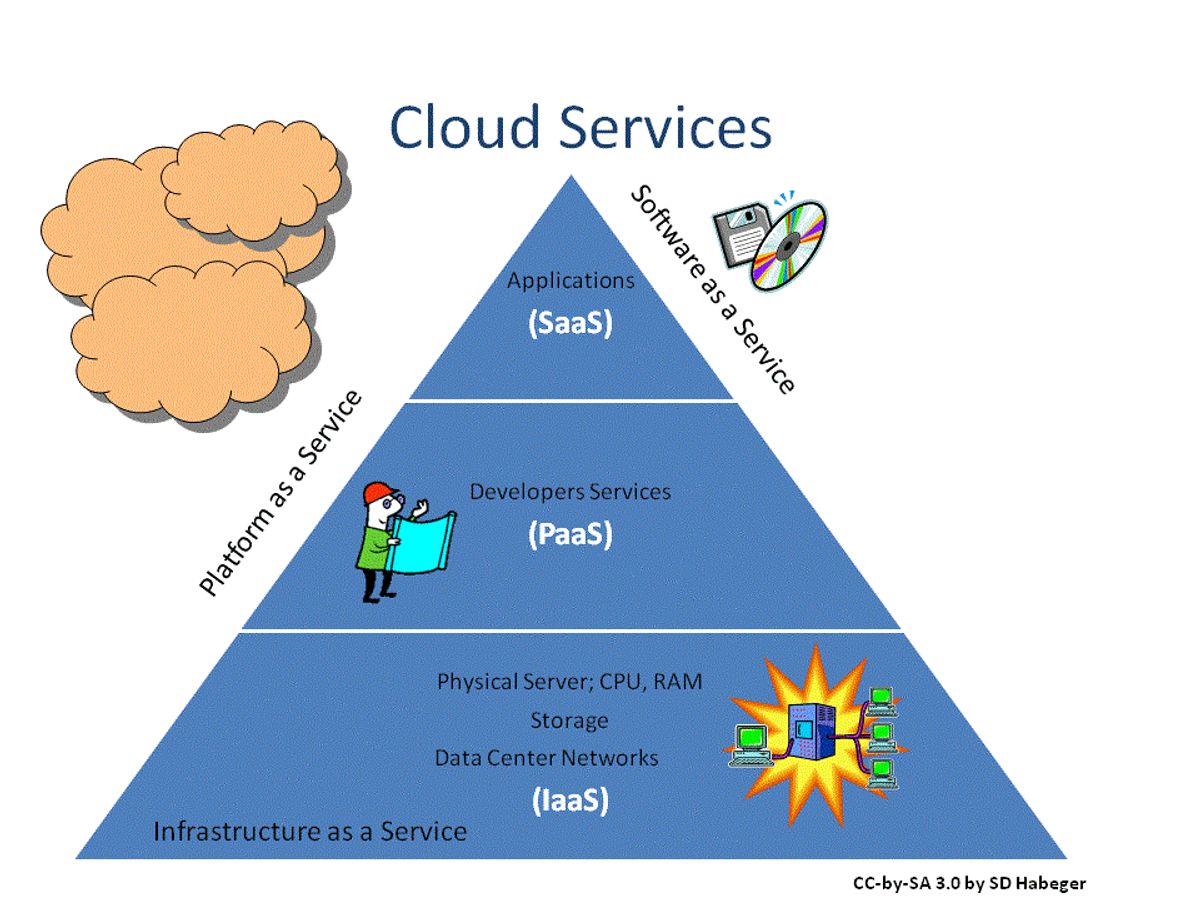
Embracing Serverless Architectures and Reusable Components
The integration of AI Applications in Web Infrastructure is a transformative movement, supported by reusable components and serverless architectures, which paves the way for sustainable AI adoption. By prioritizing data engineering, application integration, and the adoption of hybrid AI models, organizations are poised to revolutionize industries and shape the future of technology.
The agility afforded by cloud-native architectures is not just a technical upgrade; it is a strategic enabler that allows for rapid experimentation and deployment in machine learning projects.
Leveraging cloud-native MLOps solutions, such as SageMaker and Vertex AI, enables organizations to harness the scalability, flexibility, and cost-efficiency of cloud environments for ML workflows. These managed ML platforms offer end-to-end capabilities for data preparation, model training, deployment, and monitoring, empowering teams to focus on innovation rather than infrastructure management.
Moreover, the trend towards Industrialized ML emphasizes standardized processes and reusable components, streamlining development and enhancing productivity. AutoML tools automate the tedious process of model development, allowing organizations to focus on innovation. These elements collectively drive the evolution of AI, enhancing scalability, reproducibility, and ultimately reducing time-to-market.
Take the leap into the future of web applications with AI—explore how serverless architectures and reusable components can elevate your business to new heights of efficiency and innovation. Engage with experts like Stas Sorokin, a Pro on Fiverr, who specializes in API integration and AI applications, to unlock the full potential of your digital transformation.
Data Engineering and Hybrid AI Models
In the realm of AI and Web Development Synergies, the fusion of Data Engineering and Hybrid AI Models stands as a cornerstone for innovation. The convergence of DataOps and AIOps is not just a trend; it's a strategic imperative that enables organizations to harness the full potential of AI-driven insights. Seamless data management and optimization of AI applications are critical for enhancing decision-making and driving efficiencies.
The integration of AI into web applications is supported by a robust ecosystem that includes:
- Cloud Strategy Roadmap Development
- Data Lake & Warehouse Development
- Cloud Engineering & Data Migration
- Data Pipeline Management
- Data Quality & Governance
- AI/ML Engineering
This ecosystem is essential for the sustainable adoption of AI, allowing for the revolutionization of industries and the shaping of the future of technology. By prioritizing data engineering and the adoption of hybrid AI models, businesses are poised to unlock new horizons for digital innovation.
Embrace the transformative power of AI in your web applications. Offering API integration services starting at $175 and web application development starting at $1,250. Specializing in various API types and ensuring security, scalability, and ongoing support. Top-rated Pro seller.
As we delve deeper into the intricacies of AI integration, it becomes evident that a strategic approach to data engineering is the linchpin of success. The journey towards a cloud-native AI future is paved with challenges, but also with immense opportunities for those who are ready to embark on it. Let's explore this path together, unlocking the potential that lies at the intersection of AI and web development.
Streamlining AI Adoption with Cloud-Native Environments
The journey towards streamlining AI adoption is marked by the convergence of cloud-native environments with advanced machine learning frameworks. By harnessing the power of serverless architectures and containerization technologies, organizations can achieve unprecedented agility, enabling rapid experimentation and deployment in machine learning projects. This agility is crucial for adapting to the ever-evolving demands of the digital marketplace.
The integration of technologies such as OpenAI's GPT-4 and ML platforms like SageMaker and Vertex AI into cloud-native environments is not just a trend; it's a strategic imperative. These tools, supported by reusable components, empower businesses to revolutionize industries and shape the future of technology. The result is a sustainable model for AI adoption that scales with organizational needs and market dynamics.
Embracing cloud-native architectures not only simplifies infrastructure management but also ensures that AI initiatives are robust and responsive to change. This approach fosters cross-team collaboration and leverages robust experiment tracking and monitoring, which are essential for the iterative optimization of AI applications.
To truly capitalize on these advancements, consider the following steps:
- Prioritize data engineering to ensure quality and accessibility of data.
- Adopt hybrid AI models that combine the strengths of various machine learning techniques.
- Implement Cloud-Native MLOps to streamline the machine learning lifecycle.
Professional API integration services for AI, starting at $175, offer tailored solutions for seamless integration. Frameworks emphasize nuanced AI integration into decision processes for optimal outcomes. As we continue to navigate the AI revolution, it's clear that cloud-native environments are not just a facilitator but a catalyst for sustainable and scalable AI adoption.
Conclusion
In summary, the integration of AI into web applications heralds a new era of digital innovation, offering businesses the opportunity to enhance their services and gain a competitive edge. The journey towards AI empowerment is multifaceted, requiring a strategic, dual-pathway approach that balances top-down guidance with bottom-up empowerment. As organizations navigate the complexities of AI adoption, they must prioritize responsible AI governance, risk management frameworks, and seamless application integration. By fostering a culture of innovation and embracing cross-platform AI tools, businesses can unlock the transformative potential of AI, ensuring sustainable growth and success in the dynamic digital landscape. The future of technology is being reshaped by AI, and those who strategically harness its power will lead the charge in driving innovation and transformation across industries.
Frequently Asked Questions
What is the current trend of AI in business integration?
The current trend in AI business integration involves a strategic, dual-pathway approach that prioritizes high-impact investments and empowers teams with AI tools. It emphasizes cross-team collaboration, cloud-native environments, and responsible AI practices to drive innovation and growth.
How can AI enhance digital user experiences?
AI enhances digital user experiences by humanizing interactions, ensuring trust and reliability, and elevating productivity and creativity. It makes applications more intuitive and user-friendly, fostering a closer connection between technology and human needs.
What are the challenges of adopting AI in web applications?
Challenges include dealing with AI silos, managing integration complexities, addressing ethical considerations, and ensuring continuous learning and adaptation to sustain innovation in a rapidly evolving tech landscape.
Why is AI governance important in integrating AI into web applications?
AI governance is crucial for establishing responsible AI practices, developing risk management frameworks, fostering ethical AI use, and implementing robust tracking and monitoring. It ensures AI initiatives are aligned with organizational goals and ethical standards.
How does cloud-native AI influence the future of application integration?
Cloud-native AI, supported by serverless architectures and reusable components, streamlines AI adoption and fosters sustainable innovation. It enables seamless integration with existing workflows, driving industry transformation and offering a competitive edge.
What is a two-pronged approach to AI integration, and why is it effective?
A two-pronged approach to AI integration combines top-down guidance for strategic AI investment with bottom-up empowerment for team experimentation. This method ensures AI drives value across all organizational levels and aligns with broader business goals.
Comments
Post a Comment